South African Lotto Winners Who Lost Their Fortunes
17 August 2026
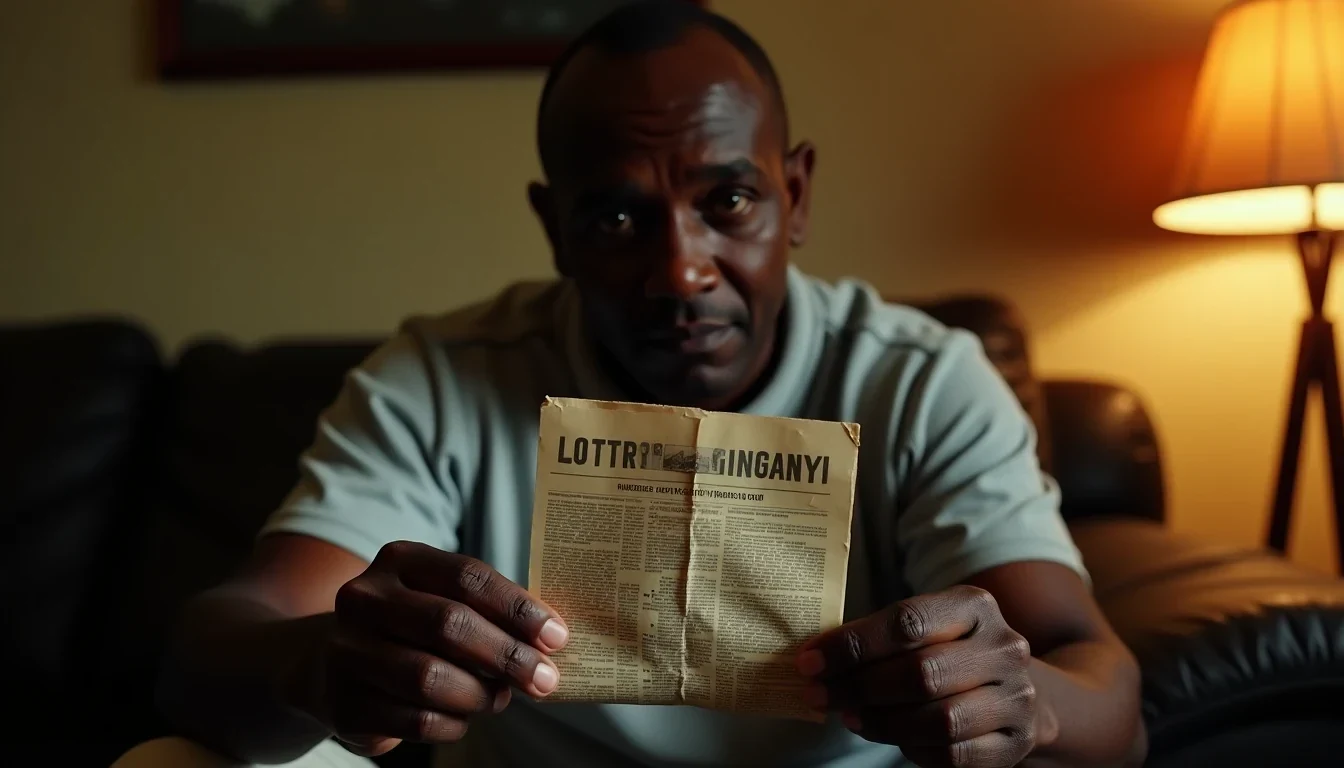
Some jackpot stories end with a new home and a quieter life. The more common ending is messier: relatives asking for help, a business that looked sensible for about ten minutes, then a car, a bigger house, a louder life, and no capital left to defend any of it.
The money itself is not usually the first problem. The first problem is what the money does to people around the winner, and what the winner does next. In South African reporting, the cautionary pattern keeps repeating: cash handed to family and friends, money poured into ventures the winner does not understand, and day-to-day spending that grows fast enough to eat the prize from the inside. Public articles about local winners show exactly that arc, from early excitement to family fracture and financial collapse, sometimes within a few years, sometimes after a longer, uglier fade (News24/DRUM on Mkhatshane George Manganyi, TimesLIVE on fallen winners).
The winners who lost everything
Mkhatshane George Manganyi is one of the clearest local warnings. News24’s DRUM reported in 2019 that the Limpopo winner, who hit a R6 million Lotto prize in 2006, was later broke, living on grants, and describing the win as a curse after family conflict and alleged fraud tore through the household (News24/DRUM). That story is not a morality play about luck. It is a record of what happens when a lump sum is treated like an all-purpose rescue fund for everyone nearby.
TimesLIVE’s rundown of earlier winners tells the same story in different clothes. One man who won R10.4 million in 2009 later faced charges after the money vanished. Another, Johanna Mahlangu, won R23 million, but a friend disappeared with her ticket and spent R8 million on a shopping spree, leaving her with only part of what should have changed her life for good (TimesLIVE). A third winner, Junaid-Jason Canterbury, got R6.7 million at 19, bought a house and vehicles, and then ended up in a murder case tied to gang conflict. The prize did not create the problem, but it certainly accelerated it.
The less dramatic losses are often the most expensive. A winner can look rich while quietly leaking money through helper loans, car finance, property upkeep, and a dozen small promises that were never written down. The fortune does not disappear in one cinematic blow. It drips away.
The three holes in the bucket
The first hole is family lending. In the South African context, money is never just money for very long. It becomes school fees, a cousin’s rent, a sibling’s taxi deposit, a church appeal, a medical bill, a bail plea. Some of those requests are legitimate. The problem is the structure. Once cash starts moving without written terms, the jackpot stops acting like capital and starts acting like a communal ATM.
The second hole is bad business. A sudden windfall makes a lot of ordinary people believe they have acquired business judgement along with the bank balance. They have not. The money gets pushed into restaurants, car washes, taxis, and other projects that look tangible because you can stand inside them. Tangible is not the same as viable. A business that depends on the winner’s optimism, not on a customer base, is just a more expensive way to burn money.
The third hole is lifestyle inflation. A new house in the wrong place can become a monthly tax on the prize. So can luxury cars, staff, security, school upgrades, travel, and the social pressure to keep living like the person who just won. The dream price is not the purchase price. It is the maintenance. A bigger home needs repairs, insurance, furnishing, and utility bills. Cars need servicing and replacement. A good life can become a machine that consumes its own seed money.
A lot of winners who fail do not go from rich to poor in a single month. They go from liquid to locked in. Money gets tied up in assets that cost money to hold, and the actual cash cushion disappears.
The research on sudden wealth
The viral claim that 70% of lottery winners go bankrupt within a few years is not a solid NEFE statistic. NEFE itself says that figure is not backed by its research and cannot be confirmed by the organisation (NEFE statement). The broader point behind the myth still stands: sudden wealth is dangerous when the recipient has no system.
Academic work by Guido Imbens, Donald Rubin, and Bruce Sacerdote found that lottery-style unearned income changes behaviour in predictable ways, including lower labour earnings and meaningful shifts in consumption and saving patterns (American Economic Review). This does not mean every winner self-destructs. It does mean money changes the incentives in ways people often underestimate.
Other research on lottery wealth finds that the long-run effect of a windfall can be positive for financial satisfaction when the money is handled well. That improvement depends on whether the winner builds a life around the capital instead of spending the capital as if it were salary (Review of Economic Studies). That distinction sounds obvious until the first family member asks for R50,000 and the second one says they will pay it back next month.
What the careful winners do differently
The winners who keep their money tend to do boring things early. That is exactly why they survive.
Ithuba says winners of larger prizes are taken through verification and also receive emotional counselling and financial advice sessions before payout arrangements are completed (ITHUBA via LinkedIn). The winners who keep their wealth behave as if that advice is not a courtesy, but the point. They slow down, sit with the money, and do not start shopping for trouble.
One local winner who chose anonymity after an R8 million PowerBall Plus win said he planned to invest a significant portion, renovate his home, and keep working as usual. He told IOL he had not even told his children because he did not want the news spreading and attracting attention (IOL). Another winner, Paul Williams, who won R7 million in 2015, told TimesLIVE he kept the win quiet, continued seeing a psychologist, stayed modest, and invested in a farming business rather than trying to become a lifestyle brand (TimesLIVE).
The useful habits are plain enough:
- protect your identity if you can
- pause before buying anything major
- pay off debt first
- use proper legal and tax advice
- invest a large share of the prize, not the leftovers
- set boundaries before the first phone call from a cousin you have not heard from in years
That last one sounds emotionally brutal and financially necessary. If you want to help family, do it with rules, not with an open tap. A trust, a capped education fund, or a one-off emergency payment is a system. Casual cash gifts are a leak.
The money mistake underneath the money mistakes
The deepest error is simple: winners treat the jackpot as income instead of principal. Income is for spending. Principal is for protecting. If the full prize gets consumed like monthly pay, then every lifestyle upgrade has to be financed out of the same pile that is supposed to keep the winner safe.
That is how a person who once had millions ends up chasing bills, borrowing from their own future, and blaming the number on the ticket rather than the decisions after it. The ticket did not ruin them. The rush did.
For South African players, anonymity is possible, and large winners are taken through claim processes that include counselling and financial guidance (National Lotteries Commission, ITHUBA). The winners who last are usually the ones who accept that help, then behave as if the cheque is not a license to improvise.
The lottery fantasy is always the same. The actual test is whether the winner can survive the week after the excitement ends.